The adiabatic model assumes that the short-circuit duration is so brief (typically under 5 seconds) that no heat energy escapes the conductor. The entire thermal surge is absorbed by the metal, causing an immediate spike in temperature. While this method is highly conservative and simple to calculate, it neglects the physics of thermal conduction. The Non-Adiabatic Enhancement of IEC 60949 IEC 60949:1988
Understanding IEC 949: The Standard for Calculating Non-Adiabatic Short-Circuit Heating Effects
The standard is a critical document for electrical engineers, system designers, and cable manufacturers. It provides the mathematical framework for calculating the permissible short-circuit currents in electrical components when accounting for non-adiabatic heating effects.
A: No, the PDF is a text document with formulas and tables. However, many cable sizing software tools have implemented the algorithms from the PDF.
By accounting for this shared heat, IEC 60949 allows engineers to calculate a higher, more accurate permissible short-circuit current. This can prevent you from over-designing and buying excessively thick, expensive cables. Core Components of the Calculation
Unlike adiabatic calculation methods—which assume no heat escapes the conductor during the fault—IEC 60949 recognizes that some heat is transferred to surrounding materials (like insulation, bedding, or armour). Therefore, this standard allows for more accurate and often higher, safe, short-circuit ratings compared to purely adiabatic methods. Key Aspects of the Standard
Note: There is no widely recognized IEC standard numbered exactly "IEC 949." It's possible you meant a different IEC standard (commonly cited ones in electronics and safety are IEC 60950, IEC 62368, IEC 61000 series, etc.). Below I expand on plausible interpretations and provide an engaging, expansive commentary framed for readers interested in international electrical/ICT safety standards and PDF reference materials.
This guide breaks down the standard's purpose, methodology, and application so you can apply the calculations without needing to decipher the technical jargon of the original document immediately.
Navigating the documentation, understanding the underlying formulas, and sourcing an official requires a clear grasp of standard power engineering practices. What is IEC 60949?
Q: Why is IEC 949 compliance important? A: IEC 949 compliance is important for ensuring safety, increasing market access, reducing liability, and improving product quality.
Using standard values of θ_i = 90°C and θ_f = 250°C, the expression simplifies to a current density (J₀):
Have you successfully used the non-adiabatic method from IEC 949 in a project? The calculations can be complex, but they save thousands of dollars in copper costs on large installations.
Always ensure your design teams are utilizing the latest, officially licensed version of the IEC 60949 PDF to maintain regulatory compliance and engineering accuracy.
Meeting international best practices for electrical installations.
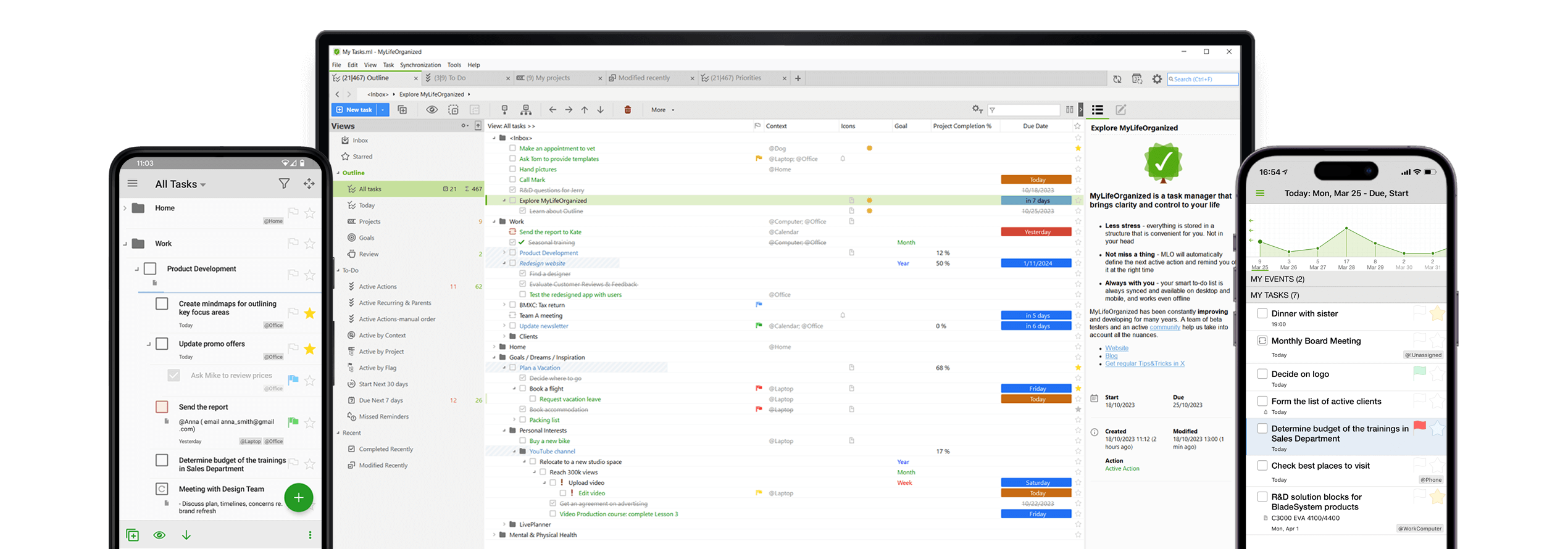
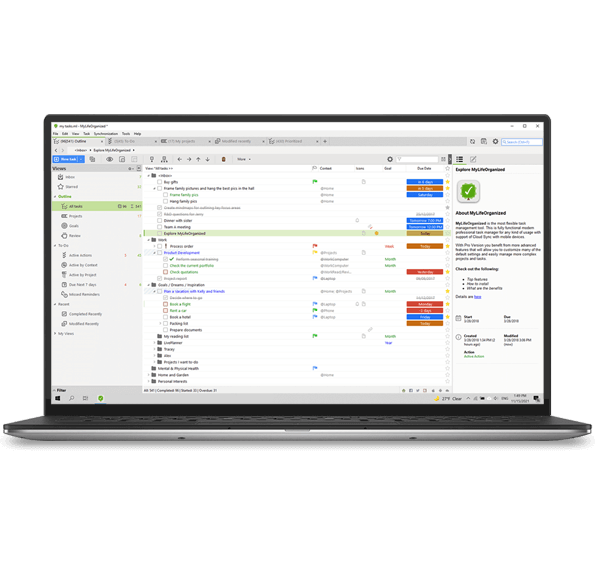
Easily create new tasks in your checklist app. An elegant To-Do list view will help you to focus on the most important items and act immediately.
Clean and simple drag-and-drop interface allows you to rearrange tasks within a plain list or organise them into a tree.
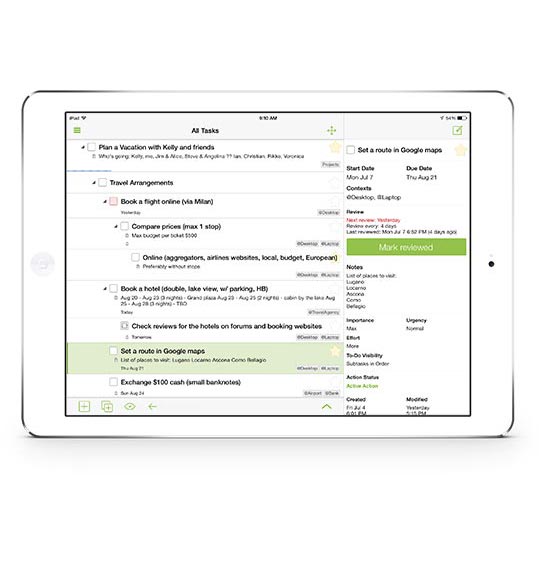
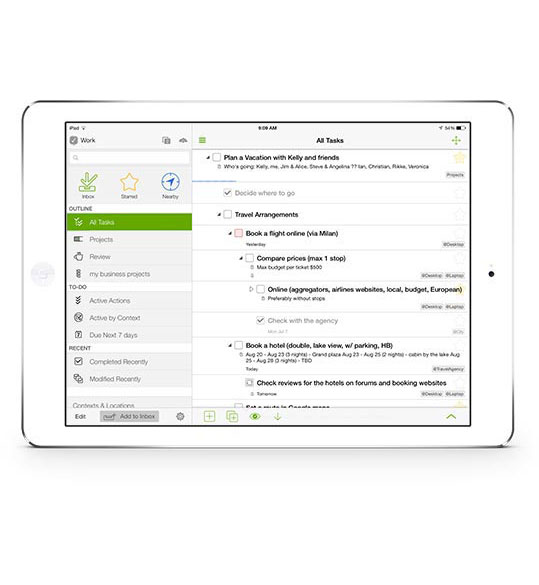
Simple To-Do lists are awesome but what if you want to break a task into subtasks and that task into more subtasks? MLO allows you to do this … INFINITELY!
You can create flexible hierarchical lists and add dependencies between the tasks. Planning a business trip or your wedding has never been easier.
MLO has gone further…
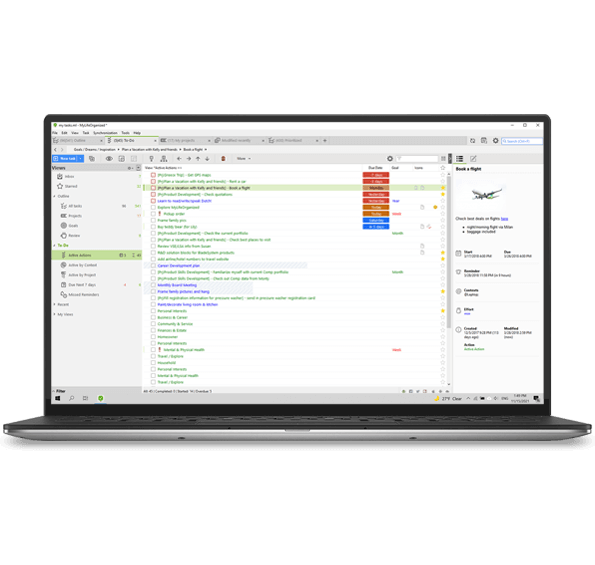
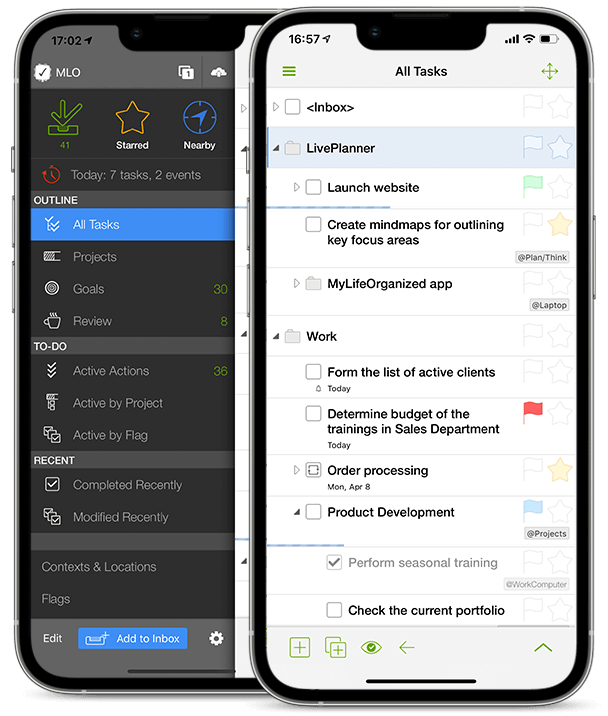
Once you have added due dates, contexts and dependencies, MLO will automatically generate a smart list of action items that require your immediate attention.
Use an outline for planning and a plain list for doing. MLO dual view empowers you to use GTD® or any task management methodology which is most suitable for your task organizing.
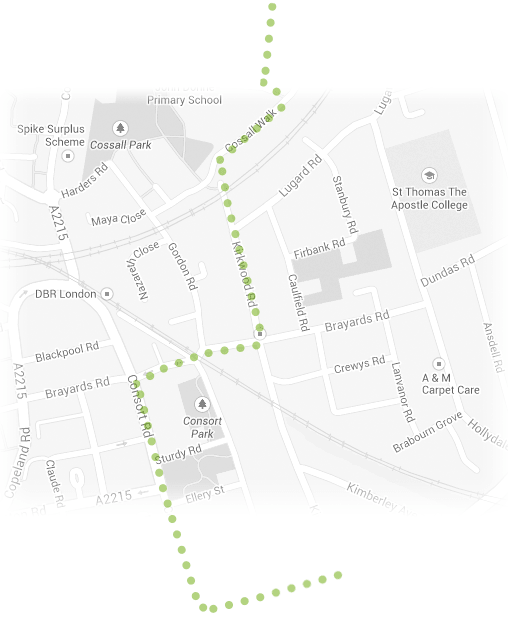
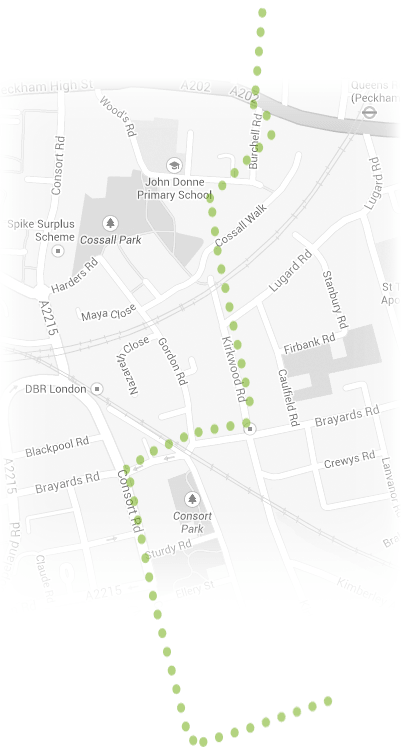

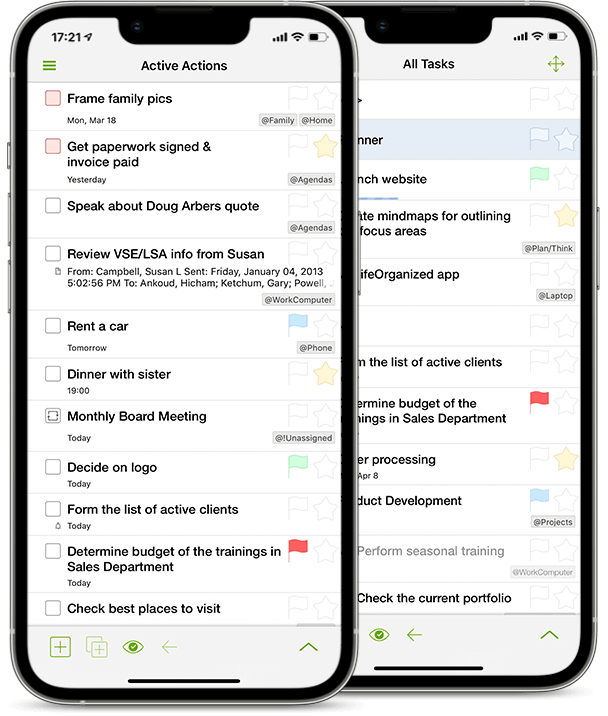
Get the right information in the right place. MLO is designed to send you smart reminders when you arrive to one of your locations.
When you are at a mall, MLO can send you a notification with a shopping list. Once you get home, a reminder with a list of actions will be there for you.
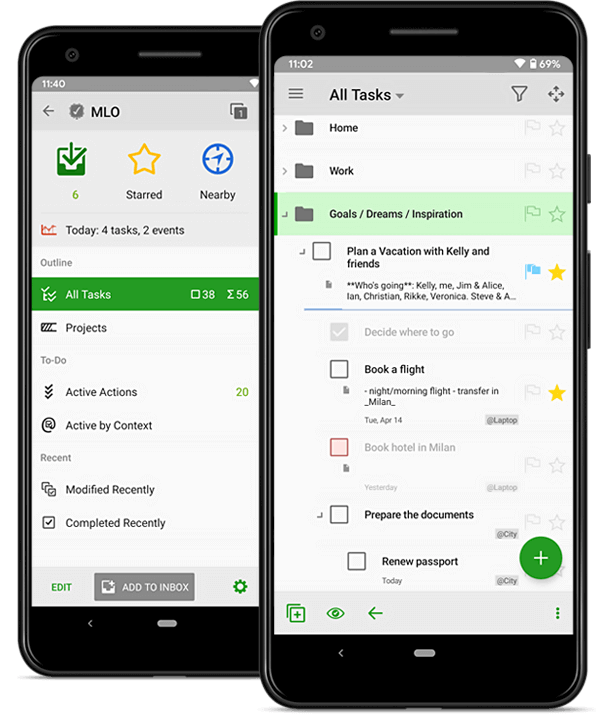
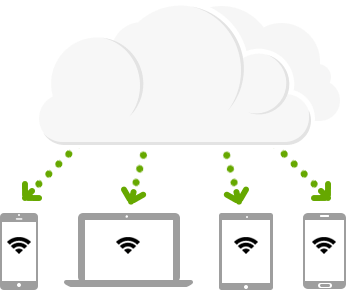
MLO syncs across all your devices and you always stay on top of your tasks.
With Cloud subscription the changes made on one of your devices will automatically appear on all others.
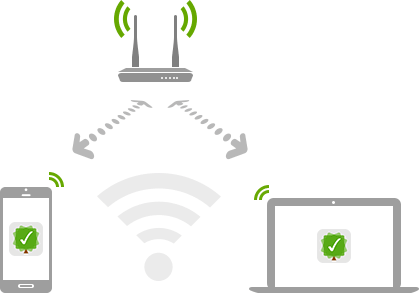
With Wi-Fi one-to-one secure connection you can take control over the data transmitted.
Simply connect your mobile device to the same Wi-Fi network as your desktop and sync the changes you made in your task lists and projects.
| MLO for Windows | MLO for Mobile | ||||
|---|---|---|---|---|---|
| Feature | Purpose | Std | Pro | Free | Pro |
| Cloud Sync | Multiple devices sync | ||||
| Wi-Fi Sync | One mobile - one desktop | ||||
— A paid cloud subscription is needed to sync all your MLO (desktop and mobile) devices
— One desktop app synchronises with one of your mobile devices (included to Pro version)
Current Version:
Requires: /XP
Pricing: Standard: $* | Professional: $*
One time purchase. No monthly charges.**
MLO syncs across all your devices.
Low cost paid subscription required.
Pricing: Year: $* | 6 months: $*
Get your free trial Cloud subscription.
Current version: iec 949 pdf
Requires:
Pricing: FREE | Professional: $
One time purchase. No monthly charges.**
PRO available with In-App purchase
Current version:
Requires:
Pricing: FREE | Professional: $
One time purchase. No monthly charges.** The adiabatic model assumes that the short-circuit duration
PRO available with In-App purchase or on our site
The adiabatic model assumes that the short-circuit duration is so brief (typically under 5 seconds) that no heat energy escapes the conductor. The entire thermal surge is absorbed by the metal, causing an immediate spike in temperature. While this method is highly conservative and simple to calculate, it neglects the physics of thermal conduction. The Non-Adiabatic Enhancement of IEC 60949 IEC 60949:1988
Understanding IEC 949: The Standard for Calculating Non-Adiabatic Short-Circuit Heating Effects
The standard is a critical document for electrical engineers, system designers, and cable manufacturers. It provides the mathematical framework for calculating the permissible short-circuit currents in electrical components when accounting for non-adiabatic heating effects.
A: No, the PDF is a text document with formulas and tables. However, many cable sizing software tools have implemented the algorithms from the PDF.
By accounting for this shared heat, IEC 60949 allows engineers to calculate a higher, more accurate permissible short-circuit current. This can prevent you from over-designing and buying excessively thick, expensive cables. Core Components of the Calculation
Unlike adiabatic calculation methods—which assume no heat escapes the conductor during the fault—IEC 60949 recognizes that some heat is transferred to surrounding materials (like insulation, bedding, or armour). Therefore, this standard allows for more accurate and often higher, safe, short-circuit ratings compared to purely adiabatic methods. Key Aspects of the Standard
Note: There is no widely recognized IEC standard numbered exactly "IEC 949." It's possible you meant a different IEC standard (commonly cited ones in electronics and safety are IEC 60950, IEC 62368, IEC 61000 series, etc.). Below I expand on plausible interpretations and provide an engaging, expansive commentary framed for readers interested in international electrical/ICT safety standards and PDF reference materials.
This guide breaks down the standard's purpose, methodology, and application so you can apply the calculations without needing to decipher the technical jargon of the original document immediately.
Navigating the documentation, understanding the underlying formulas, and sourcing an official requires a clear grasp of standard power engineering practices. What is IEC 60949?
Q: Why is IEC 949 compliance important? A: IEC 949 compliance is important for ensuring safety, increasing market access, reducing liability, and improving product quality.
Using standard values of θ_i = 90°C and θ_f = 250°C, the expression simplifies to a current density (J₀):
Have you successfully used the non-adiabatic method from IEC 949 in a project? The calculations can be complex, but they save thousands of dollars in copper costs on large installations.
Always ensure your design teams are utilizing the latest, officially licensed version of the IEC 60949 PDF to maintain regulatory compliance and engineering accuracy.
Meeting international best practices for electrical installations.